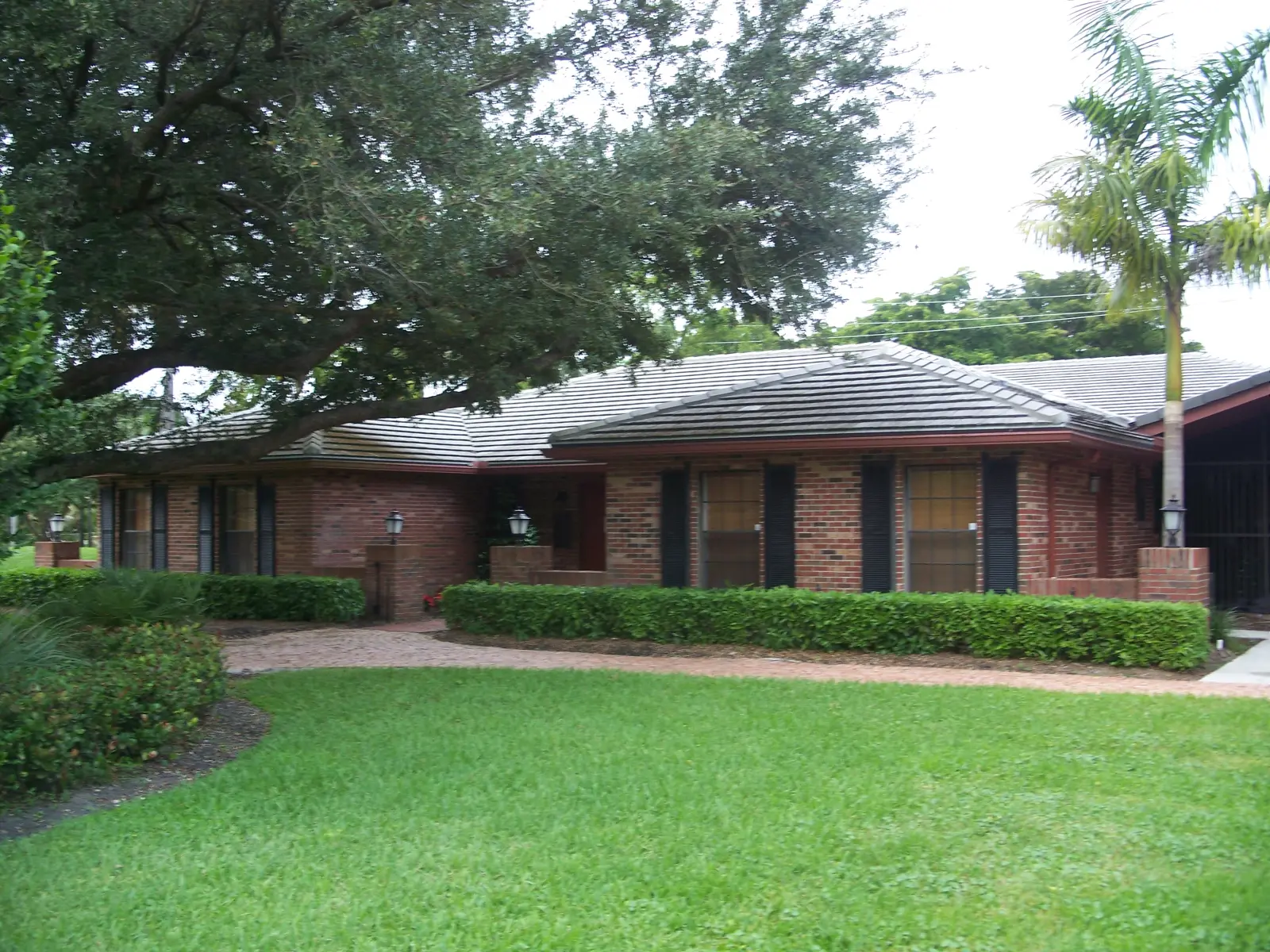
Plantation was incorporated April 30, 1953, on land Frederick C. Peters bought from the Everglades Plantation Company. Its one National Register site is Lock No. 1.
Last checked Oct. 10, 2026. Sources: the City of Plantation’s history page and its City History Timeline, 1906-2020 (PDF), the Plantation Historical Museum page, the Plantation Historical Society and the National Park Service’s National Register of Historic Places data (May 22, 2026, file). Questions: Plantation Historical Museum, 954-797-2722.
Plantation began as drained Everglades land and a developer’s master plan. The city’s motto, on its seal, is “E Vasitate, Haec Urbs”: “Out of the Wilderness, This City.” It was incorporated on April 30, 1953, with fewer than 500 residents and a budget of $1,288, the city says.
Where to learn more
- Plantation Historical Museum: 511 N. Fig Tree Lane, 954-797-2722; Wednesday to Saturday, 10 a.m. to 4:30 p.m.
- Plantation Historical Society: plantationhistoricalsociety.com, supporting the museum since 1974
- City history timeline: 1906-2020 (PDF)
From the Everglades to a master plan
From the city’s history timeline:
- 1906: Capt. Walter Holloway makes the first attempt to drain the Everglades here.
- 1911: A real estate and rice-growing venture named the Everglades Plantation Company gives the area, and later the city, its name. The Sewell Locks, which the timeline calls the first lock built in Florida, open water access to the Everglades and Lake Okeechobee.
- 1939: Frederick C. Peters buys 10,000 acres from the Everglades Plantation Company for $25 an acre. (The city’s history page says his family moved to South Florida in 1931 to escape Midwest winters.)
- 1945: Peters hires architect Russell Pancoast to help draw a city master plan. The plan barred neighboring homes from looking alike, set minimum lot sizes and separated commercial, industrial and residential zones, the city says.
- 1947: Chauncey Clark builds the first homes, on East Acre Drive. The idea was “long acres,” one-acre lots with two-thirds of the land for gardens and fruit trees.
- 1948: The population reaches 36, in 12 homes.
Becoming a city
- April 30, 1953: Plantation is incorporated. Ellsworth D. Gage is the first mayor (1953-55). The first council meeting, May 11, is held in an old feed warehouse near East Acre Drive and Broward Boulevard, later the site of the first City Hall, fire station and police station.
- 1955: The Police Department is organized with one officer, Henry C. Donath.
- 1956-57: The first Fire Association barbecue raises money for a volunteer fire department, formed in 1957; the barbecue continues today, the city says.
- 1969: The first Christmas parade, organized by the Jaycees, is held Nov. 29, and the city starts its blue bag garbage system in December.
- 1973: The current City Hall is dedicated Dec. 2; Deicke Auditorium opens; Melaleuca Isles and Plantation Acres are annexed.
- 1978: Broward Mall, now Westfield Broward, opens.
| Year | Population, from the city’s timeline and the census |
|---|---|
| 1948 | 36 |
| 1953 | 475 |
| 1962 | 6,500 |
| 1970 | 23,000 |
| 1980 | 48,653 |
| 2020 census | 91,750 |
The city’s boundaries today run from State Road 7 west to Flamingo Road, about seven miles, plus the Lago Mar area west to NW 136th Avenue, and from Sunrise Boulevard south to the North New River Canal, the city’s history page says. For today’s figures, see our population guide.
National Register of Historic Places
Plantation has one National Register listing, according to the National Park Service’s May 2026 data:
| Property | Also known as | Listed | Significance |
|---|---|---|---|
| Lock No. 1, North New River Canal | Sewall Lock | Feb. 17, 1978 | Engineering and transportation; state level |
The Park Service gives its location as south of Plantation on State Road 84, beside the North New River Canal. The concrete lock walls still stand, with a newer water control structure just to the west.
Museums and landmarks to visit
- Plantation Historical Museum, 511 N. Fig Tree Lane. Open Wednesday to Saturday, 10 a.m. to 4:30 p.m.; closed Sunday to Tuesday. Exhibits include an Everglades diorama, the history of the city, Fire Department memorabilia including the city’s first fire engine, and a Seminole and Tequesta display, the city says. The museum opened June 2, 1985, and shares a parking lot with the library. Call 954-797-2722 to book group tours.
- Plantation’s Historic District, around Fig Tree Lane and Palm Tree Road, is home to Plantation Woods park, the city says.
- Plantation Heritage Park, a Broward County park, opened in 1984, according to the city’s timeline.
- Deicke Auditorium, dedicated in 1973, grew out of a $100,000 gift from Edwin Deicke in 1962, the timeline says.
What this means for you
- Visit the museum Wednesday to Saturday; call ahead for groups.
- The museum’s December Winter Wonderland holiday exhibit has run for more than 30 years; see our Christmas parade guide.
- Have old photos of Plantation? The city collects them through its memories submission page.
Related: parks and trails, population and moving to Plantation.
Frequently asked questions
When was Plantation, Florida incorporated?
On April 30, 1953, with a population under 500 and a budget of $1,288, the city says. The first City Council meeting was May 11, 1953.
How did Plantation, Florida get its name?
From the Everglades Plantation Company, a real estate and rice-growing venture from 1911 that owned the land Frederick C. Peters bought, according to the city’s history timeline.
Who was the first mayor of Plantation?
Ellsworth D. Gage, who served from 1953 to 1955.
Are there historic landmarks in Plantation?
Lock No. 1 on the North New River Canal, also called Sewall Lock, was listed on the National Register of Historic Places on Feb. 17, 1978. The city’s timeline calls it the first lock built in Florida, opened in 1911.
When is the Plantation Historical Museum open?
Wednesday through Saturday, 10 a.m. to 4:30 p.m., at 511 N. Fig Tree Lane. It is closed Sunday, Monday and Tuesday. Call 954-797-2722.
Have your say